Free Consultation. Call Now. (516) 394-4200
(516) 394-4200  (516) 394-4200

Texting while driving is one of the most dangerous behaviors on Long Island roads. Unlike other distractions, texting pulls a driver’s eyes, hands, and attention away from driving at the same time. In traffic-heavy areas where conditions change in seconds, that brief lapse is often all it takes to cause a serious collision. Texting while driving car accidents on Long Island continue to injure drivers, passengers, pedestrians, and cyclists every year, despite widespread awareness of the risk. Our car accident attorneys are ready to help you secure compensation.
Sending or reading a text typically takes several seconds. At highway speeds, a vehicle can travel the length of a football field during that time without the driver actually watching the road. On Long Island, where traffic congestion, short merging lanes, and frequent braking are common, that distance matters.
Drivers who are texting often fail to notice:
Unlike a momentary glance at the radio, texting requires visual focus and mental engagement, making it far more likely that a driver will miss critical cues.
Long Island presents driving challenges that amplify the danger of texting behind the wheel. Roads like the Long Island Expressway, Sunrise Highway, and major north-south routes carry dense traffic for much of the day. Drivers must constantly adjust speed, position, and awareness.
Local roads add another layer of risk. School zones, shopping centers, residential streets, and busy intersections create unpredictable conditions. A driver who looks down at a phone while approaching an intersection or crosswalk may never see the hazard in time to react.
Texting-related crashes are not limited to highways. Many occur at relatively low speeds on surface streets, where pedestrians, cyclists, and turning vehicles are present.
Texting while driving car collisions on Long Island tend to fall into recognizable patterns. Rear-end collisions are the most frequent, especially in stop-and-go traffic. Drivers texting often fail to brake until it is too late.
Other common crash scenarios include:
Even at lower speeds, these crashes can cause serious injuries, particularly when occupants are unprepared for impact.
In many texting-related accidents, drivers do not immediately admit to phone use. However, certain statements and behaviors appear repeatedly after these crashes.
Drivers may say they “didn’t see” the other vehicle, claim traffic stopped suddenly, or insist the collision happened too fast to avoid. Others appear confused about how the crash occurred or underestimate their speed at the time of impact.
These reactions are often consistent with a driver whose attention was not on the road in the moments before the collision.
Smartphones are deeply embedded in daily routines. Notifications, navigation apps, messaging platforms, and work communications all compete for attention. On Long Island, where many drivers commute long distances between Nassau County and Suffolk County, the temptation to respond to messages during traffic delays is common.
Hands-free laws and public awareness campaigns have reduced some behaviors, but texting remains particularly dangerous because it requires visual focus. Even drivers who believe they can “handle it” often underestimate how much awareness they lose.
Long Island texting while driving crashes frequently result in injuries because victims are often stopped or slowing when struck. The sudden impact can cause significant force transfer, even at moderate speeds.
Common injuries include:
Pedestrians and cyclists struck by texting drivers face an even higher risk of severe or fatal injuries due to the lack of physical protection.
The impact of a texting-related crash in Long Island often extends far beyond vehicle damage. Victims may face weeks or months of medical treatment, missed work, and disruptions to family life. Pain and limited mobility can affect routine activities such as driving, caring for children, or returning to a normal schedule.
Insurance disputes are also common. Drivers who caused the crash may minimize their distraction, and insurers often look for ways to shift blame or downplay injuries. This can make recovery more stressful and prolonged.
Texting while driving is not just careless, it directly violates traffic safety laws and common-sense driving expectations. Establishing that a driver was texting can clarify why a crash happened and why it was preventable.
Unlike weather-related accidents or unavoidable hazards, texting-related crashes stem from a deliberate choice to divert attention. Demonstrating that choice can change how responsibility is evaluated and how the harm caused by the crash is understood.
Despite increased enforcement and public education, texting while driving car accidents in Long Island remain a persistent. Heavy traffic, long commutes, and constant digital connectivity create an environment where distraction feels normal, even though the risks are well known.
As traffic volume continues to grow throughout Nassau and Suffolk counties, the consequences of texting behind the wheel become more severe. Recognizing how these crashes happen and why they are so dangerous highlights the importance of attentive driving and accountability when preventable injuries occur. Contact us to discuss your case with our team.
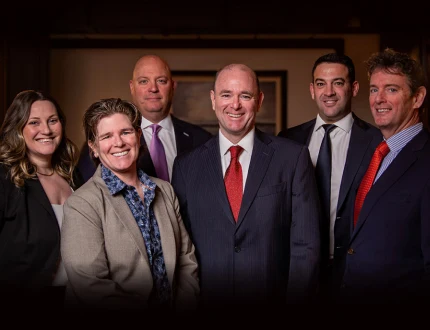
After years of serving New York–including the Bronx, Queens and Nassau, Suffolk and Kings Counties–, we are confident our injury lawyers can assist you with your claim. We are well respected by our clients, who appreciate not only the outcomes we’ve provided but also the care in which we resolved their cases. As you can see from our successful settlements, we offer excellent results, though the outcome varies depending on the case. Regardless of your case details, you can rest assured our Long Island car accident attorneys will always fight for you as you seek compensation to pay for medical bills, vehicle repairs and more. You deserve to be made whole again after your accident, and Duffy & Duffy is here to help.
No. Our injury cases are handled on a contingent retainer. You pay nothing upfront, and we recover attorney’s fees only if your litigation is successful. We don’t bill by the hour. You don’t need to worry about running up a large attorney’s bill before you see any recovery for your injuries.
Yes. Our firm is dedicated to creating a strong relationship with our clients, beginning with keeping your information and consultation confidential.
Each case we encounter is carefully screened and evidence scrutinized to make sure the claim is meritorious and may be successful at trial. We will perform an investigation, and then our partners make a final decision on whether to take on a case.


