Free Consultation. Call Now. (516) 394-4200
(516) 394-4200  (516) 394-4200

Side impact / T-bone car accidents on Long Island roads are some of the most severe crashes that occur. These collisions happen when the front of one vehicle strikes the side of another, forming a “T” shape at the point of impact. Because the side of a vehicle offers far less protection than the front or rear, occupants often suffer serious injuries even at relatively moderate speeds.
On Long Island, where high-volume roadways intersect with local streets, service roads, and commercial entrances, side impact crashes are a constant risk. Our car accident attorneys are ready to guide you through the legal process.
Modern vehicles are designed with crumple zones in the front and rear to absorb crash energy. The sides of a vehicle, however, have far less space between the door and the occupant. In a T-bone collision on Long Island, that limited buffer is overwhelmed almost instantly.
When the striking vehicle is traveling at speed, the force transfers directly into the passenger compartment. Victims may experience:
These factors make side impact crashes particularly dangerous for drivers and passengers seated on the struck side of the vehicle.
Side impact car accidents are closely tied to how traffic flows through Long Island. They occur most frequently at locations where paths cross rather than merge.
Common locations include:
Busy corridors near the Long Island Expressway and along Sunrise Highway see a high number of these crashes due to frequent turning traffic and changing signal phases.
Most Long Island side impact crashes occur when one driver enters an intersection at the wrong time. This can happen in several ways. A driver may run a red light, misjudge a yellow signal, or fail to see an oncoming vehicle while making a left turn.
Another common scenario involves drivers pulling out from side streets or parking lots into moving traffic. Limited visibility, parked vehicles, or roadside structures can block sightlines just long enough for a collision to occur.
Side impact crashes also happen when drivers assume another vehicle will stop and proceed without confirming the intersection is clear. In high-traffic areas, this assumption can be costly.
Unlike rear-end collisions, where speed differences may be small, side impact crashes often involve vehicles traveling at full roadway speed. A car entering an intersection lawfully may be struck by another vehicle moving 40 or 50 miles per hour.
Timing is critical. A difference of one or two seconds can determine whether vehicles pass safely or collide violently. When traffic signals are ignored or misjudged, there is often no opportunity for evasive action.
Side impact accidents on Long Island leave little room for defensive driving. Drivers proceeding through an intersection on a green light rarely expect another vehicle to cross their path illegally. Even attentive drivers may not have enough time or space to brake or swerve.
Visibility issues also contribute. Larger vehicles, roadside signage, buildings, and even landscaping can obscure approaching traffic. At night or in poor weather, the risk increases further.
Because of the direct force involved, injuries from T-bone crashes on Long Island are often severe. Victims frequently suffer injuries to the head, chest, pelvis, and spine. Occupants on the struck side face the greatest risk, but all occupants can be injured due to vehicle rotation or secondary impacts.
Common injuries include traumatic brain injuries, spinal disc damage, broken ribs, internal organ injuries, and complex fractures. Recovery may involve surgery, rehabilitation, and long-term medical care.
The consequences of a side impact crash extend well beyond the collision itself. Vehicles are often totaled, leaving families without reliable transportation. Medical appointments, missed work, and physical limitations can disrupt daily routines for months or longer.
Emotional stress is also common. Victims may experience anxiety when driving through intersections or returning to the scene of the crash. These non-physical effects are an important but often overlooked part of recovery.
Long Island side impact crashes frequently lead to disputes about who had the right of way. Each driver may claim the light was green or that the other vehicle appeared suddenly. Without clear evidence, these cases can become highly contested.
Intersection layout, signal timing, and vehicle positioning all play a role in determining how the crash occurred. Even small details can shift the understanding of what happened in the seconds before impact.
Side impact / T-bone car accidents on Long Island continue to occur, particularly as traffic volume increases and road networks become more congested. Intersections remain one of the most dangerous points on any roadway.
Understanding why these crashes happen and why they are so damaging helps explain their lasting impact. On Long Island’s busy roads, a single decision at an intersection can change lives in an instant. Call our team to learn more about taking legal action after a crash.
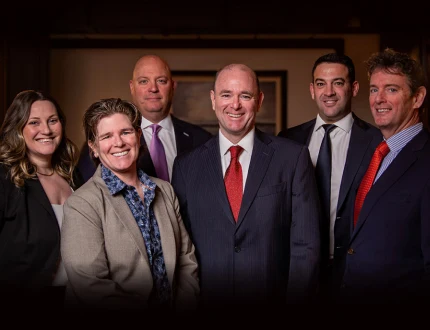
After years of serving New York–including the Bronx, Queens and Nassau, Suffolk and Kings Counties–, we are confident our injury lawyers can assist you with your claim. We are well respected by our clients, who appreciate not only the outcomes we’ve provided but also the care in which we resolved their cases. As you can see from our successful settlements, we offer excellent results, though the outcome varies depending on the case. Regardless of your case details, you can rest assured our Long Island car accident attorneys will always fight for you as you seek compensation to pay for medical bills, vehicle repairs and more. You deserve to be made whole again after your accident, and Duffy & Duffy is here to help.
No. Our injury cases are handled on a contingent retainer. You pay nothing upfront, and we recover attorney’s fees only if your litigation is successful. We don’t bill by the hour. You don’t need to worry about running up a large attorney’s bill before you see any recovery for your injuries.
Yes. Our firm is dedicated to creating a strong relationship with our clients, beginning with keeping your information and consultation confidential.
Each case we encounter is carefully screened and evidence scrutinized to make sure the claim is meritorious and may be successful at trial. We will perform an investigation, and then our partners make a final decision on whether to take on a case.


