Free Consultation. Call Now. (516) 394-4200
(516) 394-4200  (516) 394-4200

Failure to yield car accidents on Long Island are a common and dangerous problem. These crashes happen when a driver does not give the right of way to another vehicle, pedestrian, or cyclist as required by traffic rules or common driving expectations. In a region filled with busy intersections, service roads, and constant merging traffic, a single failure to yield can cause a violent and completely preventable collision.
On Long Island, these accidents occur every day on highways, local streets, parking lot exits, and residential roads, often leaving victims injured and confused about how the crash happened so quickly. Our car accident attorneys are here to help.
Failure to yield is not always obvious or dramatic on Long Island. In many cases, it involves subtle decisions made in seconds. A driver may assume they have enough time to turn, believe another vehicle will slow down, or misread who has priority.
Common failure-to-yield situations include:
These decisions often happen under pressure, especially in heavy traffic, where drivers feel rushed to move.
Long Island’s road design plays a major role in failure-to-yield accidents. Many roads feature closely spaced intersections, service roads running parallel to highways, and short on-ramps that require quick judgment calls. Drivers are constantly merging, crossing traffic, or navigating unfamiliar routes.
Roads near the Long Island Expressway are particularly challenging. Vehicles entering or exiting service roads must assess fast-moving traffic with limited visibility and little margin for error. When a driver guesses wrong, the result is often a high-impact collision.
Local roads across Nassau County and Suffolk County add to the problem. Residential intersections without traffic lights rely heavily on driver judgment, which can break down during peak hours or poor weather.
Failure-to-yield accidents are most likely to occur at Long Island intersections. These are points where multiple traffic movements intersect, and timing matters more than speed.
Drivers may misjudge how fast another vehicle is approaching or fail to notice a car hidden by parked vehicles, large trucks, or roadside structures. Sun glare, rain, and darkness can further reduce visibility, increasing the likelihood of a mistake.
Left-turn accidents are especially severe. When a driver turns left without yielding, the oncoming vehicle often strikes the side of the turning car, leading to serious side-impact injuries.
Yield-related crashes are not limited to intersections. Many occur when drivers merge onto highways or change lanes without sufficient space. On Long Island’s busy roadways, gaps in traffic can be brief, and drivers may feel pressured to force their way in.
These crashes often involve:
When a driver fails to yield during a merge, the resulting collision on Long Island can push vehicles into adjacent lanes or barriers, increasing the risk of secondary crashes.
Failure to yield does not only affect other drivers. Pedestrians and cyclists are frequently injured when drivers fail to yield at crosswalks, intersections, or driveway exits. These victims have little protection and often have the legal right of way.
Drivers may be focused on vehicle traffic and overlook people crossing the street, especially in busy commercial areas or near schools. A slow-moving vehicle can still cause severe injuries when it strikes a pedestrian or cyclist.
Many failure-to-yield crashes on Long Island happen so quickly that drivers struggle to explain what went wrong. A driver may pull out thinking the road is clear, only to be struck almost immediately. Others may see the oncoming vehicle but underestimate its speed or distance.
Once a driver commits to moving, there is often no time to reverse course. The vehicle enters the path of another car, and the collision becomes unavoidable.
The injuries caused by failure-to-yield crashes on Long Island depend on the type of impact, but they are often severe. Side-impact and angled collisions are common, exposing occupants to direct force with limited structural protection.
Victims may suffer head injuries, spinal injuries, broken bones, internal injuries, and long-term mobility issues. Pedestrians and cyclists face a much higher risk of catastrophic or fatal injuries due to direct impact.
Failure-to-yield accidents on Long Island frequently lead to disagreements about what happened. Each driver may believe they had the right of way or that the other vehicle was speeding. Without clear evidence, these disputes can be difficult to resolve.
Traffic signal timing, signage placement, vehicle positions, and visibility conditions all become critical factors. Small details, such as whether a driver stopped fully or rolled through an intersection, can significantly affect how the crash is understood.
The aftermath of a Long Island failure-to-yield accident often extends far beyond the crash scene. Injured drivers and passengers may face medical treatment, time away from work, and ongoing physical limitations. Vehicles are frequently damaged or totaled, disrupting daily routines.
Emotionally, these crashes can leave victims shaken, especially when the collision occurred in a place they travel every day. Intersections that once felt routine may suddenly feel dangerous.
Failure to yield car accidents on Long Island are largely preventable. They stem from rushed decisions, inattention, and misjudgment in environments that demand patience and awareness. As traffic volume continues to grow, these risks increase unless drivers slow down and respect right-of-way rules.
Understanding how and why failure-to-yield accidents happen helps explain their severity and frequency. On Long Island’s crowded roads, yielding is not just a courtesy, it is a critical safety responsibility that protects everyone sharing the roadway. Call today.
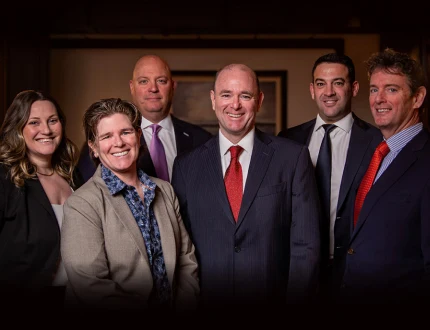
After years of serving New York–including the Bronx, Queens and Nassau, Suffolk and Kings Counties–, we are confident our injury lawyers can assist you with your claim. We are well respected by our clients, who appreciate not only the outcomes we’ve provided but also the care in which we resolved their cases. As you can see from our successful settlements, we offer excellent results, though the outcome varies depending on the case. Regardless of your case details, you can rest assured our Long Island car accident attorneys will always fight for you as you seek compensation to pay for medical bills, vehicle repairs and more. You deserve to be made whole again after your accident, and Duffy & Duffy is here to help.
No. Our injury cases are handled on a contingent retainer. You pay nothing upfront, and we recover attorney’s fees only if your litigation is successful. We don’t bill by the hour. You don’t need to worry about running up a large attorney’s bill before you see any recovery for your injuries.
Yes. Our firm is dedicated to creating a strong relationship with our clients, beginning with keeping your information and consultation confidential.
Each case we encounter is carefully screened and evidence scrutinized to make sure the claim is meritorious and may be successful at trial. We will perform an investigation, and then our partners make a final decision on whether to take on a case.


