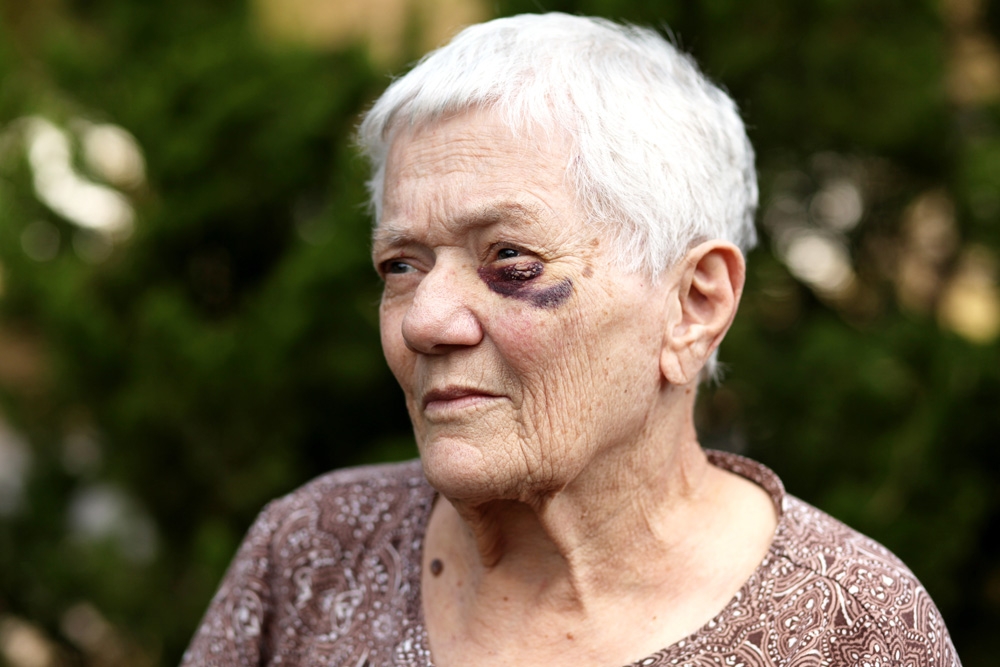

Elder abuse numbers are startling to say the least. It can happen to anyone, in even the best and highest rated care facilities in your area. Victims are often unable or unwilling to come forward and defend themselves, leading to the creation of mandatory reporting laws in most states. They’re intended to speak for those who can’t – or won’t – speak for themselves.
Unfortunately, New York State is one of the few in the country without mandatory reporting laws regarding elder abuse and neglect. The state only requires those working in adult protective services to report suspicion of abuse to law enforcement. There is no requirement for other individuals to report or for law enforcement personnel to investigate any report made. The 2010 New York State Elder Abuse Prevalence study determined that only one in 24 cases are brought to the attention of authorities each year. That’s not good enough.
Increased reporting would highlight the problem and make it harder to ignore. But until such time that it becomes mandatory in the state, it’s up to each and every one of us to report suspected and confirmed cases.
New York State does outline definitions for abuse including physical, sexual, emotional, financial, and active and passive neglect.
Additionally, there are some state laws pertaining to the issue. They include:
- N.Y. Penal Law § 260.32. Endangering the welfare of a vulnerable elderly person, or an incompetent or physically disabled person in the second degree
- N.Y. Penal Law § 260.34. Endangering the welfare of a vulnerable elderly person, or an incompetent or physically disabled person in the first degree
Signed into law by Governor George Pataki in 1998, Kathy’s Law applies to nursing homes and home health care agencies. It effectively increases penalties to caregivers found guilty of injury to incompetent or physically disabled adults over the age of 65.
Laws are on the books to protect those that need it most. Sadly, little can be done unless someone steps forward and reports it. This is further complicated by fear on the part of reporters: where no mandatory law exists, they often believe they’re opening themselves to civil liability if they lodge a complaint. But once again, the laws are there to ease this anxiety.
New York Social Services Law §473-b grants immunity from civil liability to anyone who reports suspected elder abuse in good faith, and it extends to physicians, social workers, and other professionals in the industry.
Other protection is stuck in political limbo. Bill A.7892-A/S.6221, for example, passed a Senate vote in 2013 and 2014, but is still awaiting its appearance before the State Assembly. If passed, it would give banks the ability to report suspected elder financial abuse to Adult Protective Services and/or law enforcement.
There are, of course, laws in every state protecting the rights and safety of all individuals, but some believe we are falling short in the explicit protection of our elderly citizens. Where laws exist, they believe there should be more, and they should be stronger.
Regardless, there are several ways to report both suspicion of and confirmed cases of abuse and neglect in New York. You can call the New York State Protective Services for Adults Hotline at 1-800-342-3009. You can call 9-1-1 if someone is in immediate danger or risk of harm, or you can call 3-1-1 to report suspicion of abuse to the appropriate authorities. Beyond that, check out the New York Elder Abuse resources page, or the NCEA State Resource Directory – New York.
Laws exist to maintain order and protect citizens. A lack or shortage shouldn’t prevent us from doing what’s right. Please report elder abuse or neglect when you see or believe it is happening. And if you have questions or concerns, don’t hesitate to contact Duffy & Duffy, PLLC. It’s up to all of us to protect the rest of us.