Free Consultation. Call Now. (516) 394-4200
(516) 394-4200  (516) 394-4200

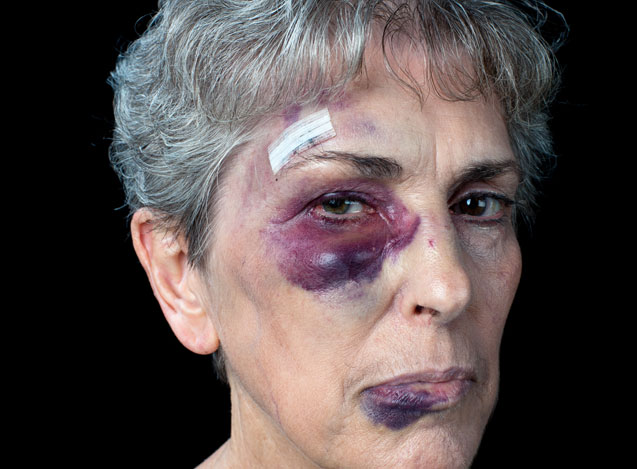
It’s something that no one wants to discover: the person we love is being abused in a nursing home. Anger. Fear. Sadness. The reality of nursing home abuse causes a rush of feelings not just in the victim, but also in the victim’s family. If you’ve discovered that your loved one is being abused in a nursing home, follow these steps to report it.
Nursing home abuse can be clearly evident or it can be subtle. Your loved one may not be willing to admit what is going on and they may begin to withdraw. They may refuse to participate in conversations regarding potential abuse. This is why it is so crucial that you’re able to spot and understand the following signs of nursing home abuse:
It’s important that you document the signs of abuse. You may need to take photos. You can use a traditional camera or your cell phone. You may have to document it in writing. Make sure that you keep a log so that you can refer to it when the abuse is reported and so that you have something to rely on if you choose to address the alleged nursing home abuse with a lawyer.
Although medical professionals and social workers are required to report suspected nursing home abuse, you should not wait to see if someone else reports it. You should report it to the proper authorities to help protect your loved one. If you believe that your loved one has sustained life threatening abuse, call 911.
You should also call the state authorities for elder abuse. Additionally, you should report the abuse to the Eldercare Locator at 1-800-677-1116. The representatives can help you locate state specific agencies that should be informed about the abuse.
Contact your loved one’s primary care physician about the suspected abuse. You should also reach out to a patient advocate at the nursing home as well as the administrator of the facility (provided that they are not the alleged abuser).
If your loved one has Medicaid or Medicare that helps pay for the nursing home, you may also contact Medicaid or Medicare to report the abuse. Both have a Long-Term Care representative who may be able to help you and your loved one through this tumultuous time.
Your loved one has the right to a safe, secure living environment. If you believe that your loved one has suffered from nursing home abuse, you may consider calling a civil law attorney who specializes in nursing home abuse cases. This type of attorney can evaluate the case and possibly even help your loved one be compensated because of the abuse that they’ve suffered.
Sadly, nursing home abuse is real. Remember to stay alert to your loved one’s physical and mental condition every time that you visit. You could very well even save their life. Contact the trusted nursing home abuse attorneys at Duffy & Duffy for further assistance.
It is not uncommon for the family members of abuse victims to worry about retaliation when making a report to the state. This is especially true when a loved one still lives in the facility where the abuse occurred. For this reason, there are multiple options for reporting abuse anonymously in the State of New York.
One of the primary agencies that investigates nursing home abuse is the New York State Department of Health. The Department oversees nursing homes and long-term care facilities and accepts complaints from residents, family members, and concerned individuals. You can submit an online complaint without giving your name.
Finally, you could submit a report of suspected abuse to the New York State Office of the Attorney General’s Medicaid Fraud Control Unit (MFCU). This unit investigates Medicaid fraud, but many of its cases involve nursing homes. If your loved one was abused or neglected while their care was paid for by Medicaid, this unit may be able to help.
Regardless of who you report to, the ability to do so anonymously allows you to do the right thing and protect others from dangerous people without putting your own loved one at risk.
Some of the most important steps to take after reporting nursing home abuse include the following:
If your loved one has suffered physical harm, obtaining medical attention for them should be the first priority. A physician can treat their injuries and evaluate the resident for signs of abuse or neglect. The medical records created during this treatment may also be powerful evidence in a future injury case.
After reporting abuse, consider whether the resident can safely remain in the same facility. In some situations, families decide to request a transfer to another room, another care unit, or a different nursing home entirely. You may also want to increase visits or arrange for another trusted person to check on the resident regularly. Taking proactive steps helps reduce the risk of continued mistreatment.
You should also take notes regarding your allegations of abuse or neglect. Keeping a journal with what you have discovered not only keeps the information in one place, but it will make it easier to explain your story to investigators or lawyers down the road.
Once a complaint is filed, investigators from state agencies will step in. Their investigation might involve contacting witnesses or making an inspection of the nursing home. By providing these investigators with what they need, you can improve your chances of the investigation turning up more evidence of abuse.
Learning that your loved one may have suffered abuse or neglect in their nursing home is never easy, but the good news is that you can rely on the help of professionals moving forward. Not only will our attorneys assist you with the aftermath of making a report, but we can also help your loved one explore the possibility of a personal injury claim. Call today for a confidential consultation with our firm.
No. Our injury cases are handled on a contingent retainer. You pay nothing upfront, and we recover attorney’s fees only if your litigation is successful. We don’t bill by the hour. You don’t need to worry about running up a large attorney’s bill before you see any recovery for your injuries.
Yes. Our firm is dedicated to creating a strong relationship with our clients, beginning with keeping your information and consultation confidential.
Each case we encounter is carefully screened and evidence scrutinized to make sure the claim is meritorious and may be successful at trial. We will perform an investigation, and then our partners make a final decision on whether to take on a case.


