Free Consultation. Call Now. (516) 394-4200
(516) 394-4200  (516) 394-4200

Losing a loved one due to someone else’s negligence is one of the most painful experiences a family can face. When a death was preventable, the grief is often compounded by unanswered questions, anger, and financial uncertainty. A Suffolk County wrongful death lawyer focuses on helping families pursue accountability when a life is lost because reasonable care was not exercised. Our personal injury attorneys know how to guide your family through this difficult claim.
A wrongful death occurs when a person dies as a result of another party’s negligent, reckless, or wrongful conduct. The death may stem from an accident, a dangerous condition, or unsafe behavior that should never have occurred.
Common situations that lead to wrongful death claims include motor vehicle crashes, truck and commercial vehicle accidents, construction incidents, workplace injuries, defective products, unsafe property conditions, and pedestrian or bicycle collisions. In many cases, the fatal event happens suddenly, leaving families no time to prepare emotionally or financially.
In the aftermath of a fatal accident, families are often forced to make major decisions while still in shock. Funeral arrangements, medical bills, lost income, and household responsibilities may fall on surviving family members immediately.
Beyond finances, families lose companionship, guidance, emotional support, and shared future plans. A spouse may lose a partner, children may lose a parent, and parents may lose a child. These losses are immeasurable, yet they form the core of wrongful death claims that a Suffolk County attorney could help file.
Wrongful death cases center on the losses suffered by surviving family members. These claims recognize that the death has lasting effects on those left behind.
Damages often relate to lost income and financial support, loss of services provided by the deceased and loss of parental guidance. Funeral and burial expenses may also be part of the claim.
Each family’s situation is different, and the impact of a loss cannot be reduced to numbers alone.
Wrongful death claims are rarely straightforward. Establishing how and why the fatal incident occurred requires careful examination of facts, timelines, and decisions made before the death, which a lawyer in Suffolk County is ready to do.
In many cases, multiple parties may share responsibility. Commercial accidents may involve companies, contractors, or third parties. Property-related deaths may raise questions about maintenance, inspections, and prior complaints. Medical and workplace cases may involve layered systems of responsibility.
These cases often face strong resistance because the financial stakes are high and the consequences of liability are serious.
Evidence plays a critical role in wrongful death cases. Accident scenes change, vehicles are repaired or destroyed, and records may be lost over time. Witness memories fade, and digital data may be overwritten.
Early investigation helps preserve the details that explain what happened and whether the death could have been prevented. This process can feel overwhelming for grieving families, but it is often essential to understanding the truth, and an attorney in Suffolk County could guide a family through a wrongful death claim.
Wrongful death cases require families to revisit painful details about how their loved one died. This can be emotionally exhausting, especially when combined with grief and ongoing responsibilities.
Many families struggle with guilt, anger, or the feeling that pursuing a claim somehow dishonors their loved one. In reality, wrongful death claims exist to acknowledge that a life was taken too soon and that the harm extends beyond the moment of death.
Wrongful death cases are not about assigning blame for the sake of blame. They are about responsibility. When unsafe actions or decisions lead to a fatal outcome, accountability helps ensure that those actions are recognized and addressed.
For many families, pursuing a wrongful death claim is part of honoring their loved one’s life. It affirms that the loss mattered and that preventable harm should not be ignored.
The effects of a wrongful death often unfold over years. Children grow up without a parent’s guidance. Spouses face long-term financial and emotional challenges. Retirement plans, education goals, and family stability may be permanently altered.
These long-term consequences are a central part of understanding wrongful death claims. The loss is not limited to what happened in the past, it reshapes the future.
Wrongful death claims arise throughout Suffolk County, from highway accidents to workplace incidents and unsafe properties. Families from every community can find themselves facing unimaginable loss due to a single negligent act.
Each case reflects a unique life, a unique family, and a unique set of circumstances. There is no formula that fits every situation.
A Suffolk County wrongful death lawyer focuses on helping families navigate one of the most difficult periods of their lives. While no legal action can replace a loved one, pursuing a wrongful death claim can provide financial stability, answers, and a sense that responsibility was not ignored.
At its core, a wrongful death case is about recognizing the value of a life and the lasting harm caused when that life is taken prematurely. For families seeking clarity and accountability after loss, that recognition matters. Call today to learn more about your legal options.
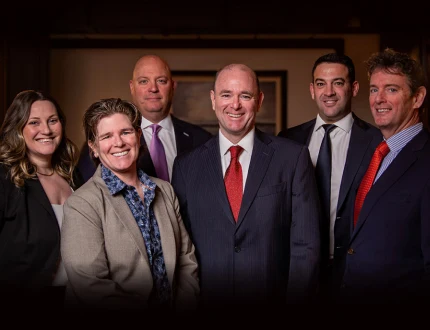
After years of serving New York–including the Bronx, Queens and Nassau, Suffolk and Kings Counties–, we are confident our injury lawyers can assist you with your claim. We are well respected by our clients, who appreciate not only the outcomes we’ve provided but also the care in which we resolved their cases. As you can see from our successful settlements, we offer excellent results, though the outcome varies depending on the case. Regardless of your case details, you can rest assured our Long Island car accident attorneys will always fight for you as you seek compensation to pay for medical bills, vehicle repairs and more. You deserve to be made whole again after your accident, and Duffy & Duffy is here to help.
No. Our injury cases are handled on a contingent retainer. You pay nothing upfront, and we recover attorney’s fees only if your litigation is successful. We don’t bill by the hour. You don’t need to worry about running up a large attorney’s bill before you see any recovery for your injuries.
Yes. Our firm is dedicated to creating a strong relationship with our clients, beginning with keeping your information and consultation confidential.
Each case we encounter is carefully screened and evidence scrutinized to make sure the claim is meritorious and may be successful at trial. We will perform an investigation, and then our partners make a final decision on whether to take on a case.


