Free Consultation. Call Now. (516) 394-4200
(516) 394-4200  (516) 394-4200

Long Island wrongful death settlements reflect more than numbers on paper. They represent an attempt to address the financial and personal loss families face after a preventable death. While no settlement can undo what happened, these resolutions play a critical role in helping surviving family members regain stability and confront a future that was suddenly and unfairly changed. Reach out to our wrongful death attorneys to learn more.
A wrongful death settlement on Long Island is an agreement that resolves a claim without going to trial. It is meant to compensate surviving family members and, in some cases, the estate, for losses caused by another party’s negligence or misconduct.
Settlements typically account for financial harm, emotional loss, and the practical support the deceased would have provided. While the legal process can feel impersonal, settlements exist to recognize that a real life was lost and that the impact continues long after the incident.
Most wrongful death cases on Long Island resolve through settlement rather than trial. Trials carry uncertainty, emotional strain, and the risk of unpredictable outcomes. Settlements offer a degree of closure and allow families to avoid reliving painful details in court.
From a practical standpoint, settlements can also provide compensation more quickly. For families dealing with funeral expenses, medical bills, and loss of income, timing often matters just as much as the final amount.
Wrongful death settlements are shaped by a wide range of factors. There is no fixed formula, and outcomes vary significantly based on the details of each case.
Key influences often include the age and health of the deceased, earning capacity, and the role the person played within the family. A younger individual with dependents may present a very different settlement picture than someone nearing retirement.
The circumstances of the death also matter. Clear evidence of negligence, strong documentation, and reliable witnesses can significantly affect how a case is valued.
Economic losses form the foundation of many wrongful death settlements in Long Island. These losses focus on measurable financial harm.
Common economic considerations include lost income and employment benefits the deceased would have earned, medical expenses related to the final injury, and funeral and burial costs. For families who relied on the deceased’s income, these losses can extend decades into the future.
Economic projections often involve assumptions about career growth, wage increases, and life expectancy, all of which play a role in settlement discussions.
Wrongful death settlements also address non-economic losses, which are harder to quantify but deeply important. These losses relate to the emotional and relational harm suffered by surviving family members.
Loss of companionship, guidance, emotional support, and parental nurturing are central to many settlements. While these elements cannot be measured precisely, they reflect the reality that a family has lost far more than financial support.
Children who lose a parent and spouses who lose a life partner experience harm that extends far beyond bills and paychecks.
In some cases, Long Island negligent death settlements include elements related to what the deceased experienced before death. If the individual survived for a period of time after the injury, the settlement may reflect medical treatment, conscious pain, or awareness of harm during that interval.
These considerations acknowledge that the loss was not instantaneous and that suffering occurred before death. They often play a meaningful role in settlement discussions when supported by medical evidence.
Settlement outcomes are closely tied to how clearly responsibility can be established. When liability is clear and well-documented, settlements are often more favorable to families.
In contrast, cases involving disputed fault or multiple potentially responsible parties can take longer to resolve and may involve more negotiation. Disagreements over how the incident occurred, or who was responsible, frequently shape the settlement process.
Wrongful death settlements on Long Island are influenced by where and how the fatal incident occurred. Traffic patterns, property conditions, and local practices all shape case dynamics.
Cases arising in Nassau County may involve different roadway layouts or commercial settings than those in Suffolk County, where distances are longer and industrial or construction-related incidents may be more common.
Local context affects everything from investigation to negotiation strategy.
Unlike trial verdicts, wrongful death settlements are often confidential. This means families cannot easily compare one settlement to another or rely on published numbers to estimate value.
Confidentiality protects privacy but can also create confusion. Families may hear figures mentioned in the media without understanding how different facts and losses lead to different outcomes.
Each settlement reflects its own unique circumstances, not a standardized benchmark.
Deciding whether to accept a wrongful death settlement is rarely easy. Families may struggle with the idea of resolution feeling final, as if it closes a chapter they are not ready to end.
At the same time, prolonged litigation can delay healing and prolong stress. For many families, settlement represents a balance between accountability and the need to move forward.
While no settlement replaces a loved one, wrongful death settlements can help families regain stability. Compensation may support children’s education, replace lost income, cover ongoing living expenses, and provide security during a difficult transition.
For many families, a settlement also offers recognition. It affirms that the death mattered and that responsibility was acknowledged.
Long Island wrongful death settlements are deeply personal. They reflect individual lives, family dynamics, and circumstances that cannot be reduced to averages or charts.
Every case tells a different story. Settlements are not about placing a value on life itself, but about addressing the real consequences of a life taken too soon. For families navigating loss, understanding this process can make an overwhelming situation feel slightly more grounded as they look toward the future. Contact our firm for the help you need.
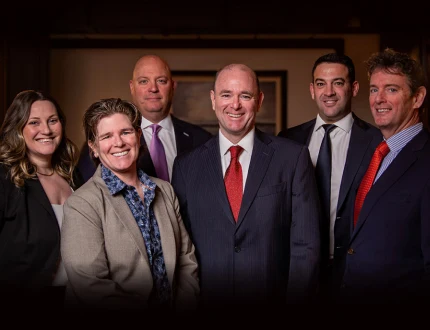
After years of serving New York–including the Bronx, Queens and Nassau, Suffolk and Kings Counties–, we are confident our injury lawyers can assist you with your claim. We are well respected by our clients, who appreciate not only the outcomes we’ve provided but also the care in which we resolved their cases. As you can see from our successful settlements, we offer excellent results, though the outcome varies depending on the case. Regardless of your case details, you can rest assured our Long Island car accident attorneys will always fight for you as you seek compensation to pay for medical bills, vehicle repairs and more. You deserve to be made whole again after your accident, and Duffy & Duffy is here to help.
No. Our injury cases are handled on a contingent retainer. You pay nothing upfront, and we recover attorney’s fees only if your litigation is successful. We don’t bill by the hour. You don’t need to worry about running up a large attorney’s bill before you see any recovery for your injuries.
Yes. Our firm is dedicated to creating a strong relationship with our clients, beginning with keeping your information and consultation confidential.
Each case we encounter is carefully screened and evidence scrutinized to make sure the claim is meritorious and may be successful at trial. We will perform an investigation, and then our partners make a final decision on whether to take on a case.


