Free Consultation. Call Now. (516) 394-4200
(516) 394-4200  (516) 394-4200

Injuries caused by unsafe property conditions often happen in places people trust the most. Grocery stores, apartment buildings, office complexes, hotels, parking garages, and private homes are all expected to be reasonably safe. When property owners fail to fix hazards or warn visitors, the results can be serious. A Long Island premises liability lawyer focuses on injuries that occur because a property was not maintained, monitored, or managed the way it should have been. Our personal injury attorneys can review your claim and help you seek compensation.
Premises liability is based on responsibility, not intent. Property owners and managers have a legal duty to keep their spaces reasonably safe for lawful visitors. When they fail to do so and someone is injured, liability may follow.
This duty applies to many types of properties, including:
The key issue is whether the property owner knew or should have known about a dangerous condition and failed to address it.
Premises liability cases arise from a wide range of unsafe conditions. Some hazards are obvious, while others develop over time and go unnoticed until someone is hurt.
Common property-related hazards include:
These dangers can exist for days, weeks, or even longer before an injury finally exposes the problem. A Long Island attorney could determine the cause of the hazard and build a premises liability claim.
Premises liability injuries frequently involve falls, which are especially dangerous. A fall on hard flooring or concrete can lead to head injuries, spinal trauma, or multiple fractures. Older adults face an even higher risk of life-altering injury from what may seem like a simple slip.
In other cases, injuries occur when people are struck by falling objects or trip in poorly maintained areas. These incidents often catch victims completely off guard, increasing injury severity.
Recovery can involve surgery, physical therapy, missed work, and long-term limitations that affect daily life.
One unique aspect of premises liability cases our Long Island lawyers often identify is time. Unlike car accidents, where fault is often determined by a momentary decision, property injury cases focus on how long a hazard existed.
Questions often center on whether:
A broken step or leaking pipe rarely appears instantly. These conditions typically worsen over time, increasing the likelihood of injury.
Commercial properties present special risks because they invite large numbers of people onto the premises every day. Grocery stores, malls, and office buildings see constant foot traffic, making routine inspections critical.
Spills, debris, and worn flooring can quickly become dangerous if employees are not trained to identify and address hazards promptly. In busy areas, a single oversight can affect dozens of visitors before the issue is corrected.
Premises liability also applies in residential settings. Landlords and property managers are responsible for maintaining common areas such as hallways, staircases, parking areas, and entryways. When these areas are neglected, tenants and guests are put at risk.
Common residential hazards include poor lighting, broken stairs, icy walkways, and unsecured entry doors. Injuries in these settings can disrupt housing stability and create financial strain for tenants already managing rent and living expenses.
Premises liability injuries often have ripple effects that go beyond immediate medical treatment. Victims may struggle to return to work, care for family members, or maintain independence during recovery.
Common injuries include concussions, spinal disc injuries, broken hips or wrists, knee damage, and soft tissue injuries that worsen over time. Even when recovery is possible, the process can be lengthy and disruptive. An attorney on Long Island will account for all losses related to an injury in a premises liability claim.
Property owners and insurers frequently push back against premises liability claims. They may argue that the hazard was obvious, that the injured person was not paying attention, or that the condition appeared moments before the incident.
Because these arguments focus on perception and timing, evidence becomes critical. The condition of the property, maintenance practices, and prior history all play a role in understanding what truly happened.
Premises liability cases are heavily influenced by documentation. Photos of the hazard, incident reports, witness statements, and maintenance records can make a significant difference.
Conditions may be repaired quickly after an injury, making it harder to show what caused the accident. Delays can also make it harder to locate witnesses or confirm how long a hazard existed.
Unsafe property conditions affect people in every type of Long Island community, from busy commercial districts to quiet residential neighborhoods. Injuries happen while shopping, commuting to work, visiting friends, or simply going about daily routines.
A Long Island premises liability lawyer focuses on holding property owners accountable when preventable hazards cause harm. These cases are not about assigning blame unfairly, they are about recognizing that safety is a responsibility, not a suggestion. When that responsibility is ignored, the consequences can last far longer than the hazard itself. Call today to discuss your case.
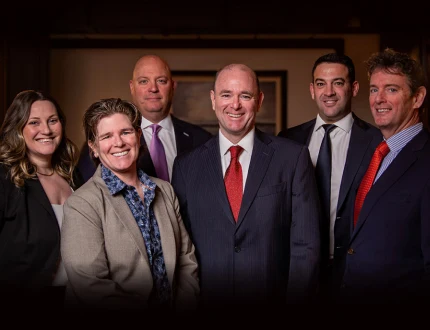
After years of serving New York–including the Bronx, Queens and Nassau, Suffolk and Kings Counties–, we are confident our injury lawyers can assist you with your claim. We are well respected by our clients, who appreciate not only the outcomes we’ve provided but also the care in which we resolved their cases. As you can see from our successful settlements, we offer excellent results, though the outcome varies depending on the case. Regardless of your case details, you can rest assured our Long Island car accident attorneys will always fight for you as you seek compensation to pay for medical bills, vehicle repairs and more. You deserve to be made whole again after your accident, and Duffy & Duffy is here to help.
No. Our injury cases are handled on a contingent retainer. You pay nothing upfront, and we recover attorney’s fees only if your litigation is successful. We don’t bill by the hour. You don’t need to worry about running up a large attorney’s bill before you see any recovery for your injuries.
Yes. Our firm is dedicated to creating a strong relationship with our clients, beginning with keeping your information and consultation confidential.
Each case we encounter is carefully screened and evidence scrutinized to make sure the claim is meritorious and may be successful at trial. We will perform an investigation, and then our partners make a final decision on whether to take on a case.


