Free Consultation. Call Now. (516) 394-4200
(516) 394-4200  (516) 394-4200

Trusting that the facility’s staff will provide comfort, safety, and care is one of the most difficult parts of moving a loved one into a nursing home. When facilities and caregivers break that trust, the results can include severe physical and emotional damage, as well as feelings of heartbreak and betrayal.
Helping families take action when a facility’s negligence or misconduct causes harm is what the Hempstead nursing home abuse lawyers at Duffy & Duffy, PLLC, do. Our personal injury attorneys understand how deeply these cases affect you and your loved one, and we are committed to uncovering the truth and seeking justice.
If your loved one was abused, you may feel guilty for missing the signs. Do not. Abuse can be difficult to detect. Victims may feel afraid, confused, or unable to communicate clearly, making abuse harder to detect.
Common examples of abuse include:
Family and friends should be on the lookout for warning signs of abuse, including unexplained bruises, sudden weight loss, dehydration, personality changes, or withdrawal from social activities. Acting immediately is critical if you suspect mistreatment. Your loved one’s safety should be the top priority, but you should also begin documenting evidence.
Understaffing or poor management leads to most cases of neglect and abuse. When there are not enough trained employees to care for residents properly, meeting basic needs can be impossible. Overworked or unqualified staff may ignore residents, fail to administer medication, or miss early signs of illness.
In some situations, staff members may intentionally harm residents. Whether the abuse is physical, emotional, or financial, the nursing home is responsible for maintaining a safe environment. Under New York law, facilities are legally obligated to protect residents from harm and provide the standard of care every person deserves.
Our nursing home abuse attorneys in Hempstead start by identifying where that duty was broken—whether it was through inadequate hiring, negligent supervision, or failure to report misconduct.
When a nursing home fails to uphold its responsibilities, residents and their families have the right to take legal action. Through a civil lawsuit, you may be able to recover compensation for:
Proving abuse or neglect is often challenging because facilities and insurers may deny responsibility or hide evidence. That is why it is essential to work with an attorney who understands both the medical and legal aspects of these claims.
Focusing on providing steady guidance while aggressively pursuing accountability, we take away legal pressures, allowing you to get your loved one into a better situation and handle emotional and physical recovery. Our approach includes working with medical experts, investigators, and financial professionals to build a strong case that supports your loved one’s rights and well-being.
With decades of experience handling nursing home abuse cases in Hempstead and across Long Island, handling complex medical records, questioning staff members effectively, and uncovering the systemic failures that led to harm are just some of the ways we fight for our clients.
If you suspect your loved one has suffered abuse or neglect in a nursing home, you do not have to face this alone. Contact Duffy & Duffy, PLLC today to speak with an experienced Hempstead nursing home abuse lawyer. Our compassionate legal team is ready to listen, investigate, and fight for the safety and dignity of your family member.
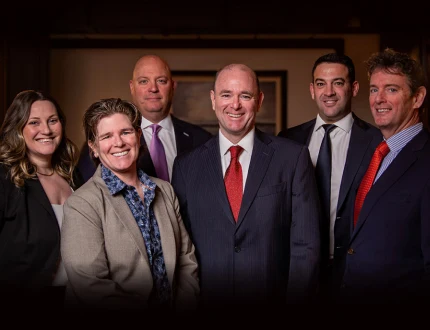
After years of serving New York–including the Bronx, Queens and Nassau, Suffolk and Kings Counties–, we are confident our injury lawyers can assist you with your claim. We are well respected by our clients, who appreciate not only the outcomes we’ve provided but also the care in which we resolved their cases. As you can see from our successful settlements, we offer excellent results, though the outcome varies depending on the case. Regardless of your case details, you can rest assured our Long Island car accident attorneys will always fight for you as you seek compensation to pay for medical bills, vehicle repairs and more. You deserve to be made whole again after your accident, and Duffy & Duffy is here to help.
No. Our injury cases are handled on a contingent retainer. You pay nothing upfront, and we recover attorney’s fees only if your litigation is successful. We don’t bill by the hour. You don’t need to worry about running up a large attorney’s bill before you see any recovery for your injuries.
Yes. Our firm is dedicated to creating a strong relationship with our clients, beginning with keeping your information and consultation confidential.
Each case we encounter is carefully screened and evidence scrutinized to make sure the claim is meritorious and may be successful at trial. We will perform an investigation, and then our partners make a final decision on whether to take on a case.


